



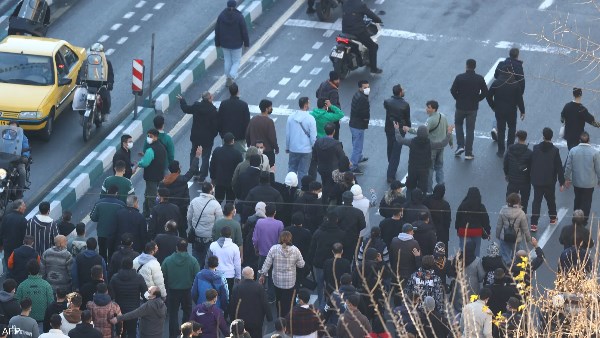
The anti-regime demonstrations have spread to over 250 locations
Iran unrest deepens as U.S. attack in Venezuela sharpens Trump intervention threat



-9202620935848.jpg)
-9202620935849.jpg)

Widespread anti-government protests have roiled Iran for over a week, forcing its leaders to weigh options to quell the unrest as U.S. President Donald Trump raised the threat of an intervention.
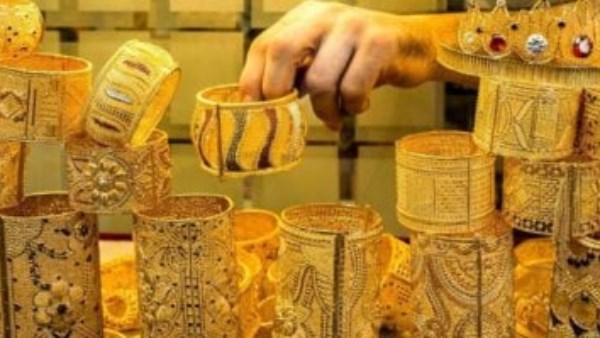
The spreading unrest, which began in Tehran’s bazaar on Dec. 28, is fueled by growing frustration with a long-running economic crisis in Iran and has turned increasingly violent in recent days. At least 29 people have been killed and more than 1,200 arrested, according to Human Rights Activists News Agency on Tuesday. The U.S.-registered nonprofit relies on an activist network inside Iran for its reporting.
The anti-regime demonstrations have spread to over 250 locations across 27 of Iran’s 31 provinces, according to the group.
Tehran sought to quell the protests, with Iran’s supreme leader Ayatollah Ali Khamenei saying Saturday that “rioters must be put in their place,” a remark widely interpreted as a signal for security forces to end the demonstrations.
Iranian president Masoud Pezeshkian has struck a more conciliatory tone, urging dialogue and promising economic reforms in bid to placate demonstrators demanding political change, action on corruption and relief from rising living costs.
The promises included provision of a monthly stipend of 10 million rials ($7) per person in non-cashable electronic credit for use at selected grocery stores, according to Reuters, citing the semi-official Tasnim news agency. Officials also pledged to overhaul the country’s foreign exchange subsidies system to bring direct support for consumers, shifting away from subsidizing importers, which have long been criticized as vulnerable to corruption.
Still, the public unrest has continued, expanding from economic grievances to broader frustration with the regime, with some protestors chanting “Death to the dictator,” a reference to Khamenei, who holds ultimate authority over the state.
Rising risks of U.S. intervention
The unrest has revived concerns about possible American intervention.
In a social media post last Friday, Trump vowed that the U.S. would defend the protestors if they were attacked, warning that Washington was “locked and loaded and ready to go” if Iranian authorities used violence against peaceful demonstrations.
The warning carried added weight after U.S. forces captured Venezuela’s President Nicolás Maduro over the weekend and brought him to New York to face trial this week.
On Sunday, Trump told reporters on board Air Force One that Iranian authorities would be “hit very hard” if more protesters died. “We’re watching it very closely. If they start kiling people like they have in the past, I think they’re going to get hit very hard by the United States,” Trump said.
Analysts at research firm BMI, a unit of Fitch Solutions, said Iran’s leadership may now be more cautious about the use of force against protestors, noting that Trump had bombed Iran’s nuclear facilities in support of Israeli strikes in June last year.
“We see heightened risks of U.S. action against Iran in early 2026 if protests escalate,” the analysts said.
Reuters cited one unnamed Iranian official as saying that there were concerns that Iran could be “the next victim of Trump’s aggressive foreign policy.”
Iran’s economy has struggled since Trump pulled the U.S. out of the Iranian nuclear deal in 2018, an agreement that limited Iran’s nuclear program in exchange for sanctions relief. The country has also reeled from tightening sanctions following a 12-day war with Israel, its longtime regional rival backed by the U.S.
-920252122624392.jpg "TOREC")