




The consumer price index increased a seasonally adjusted 0.3% for the month
Consumer prices rose 2.4% annually in February, as expected
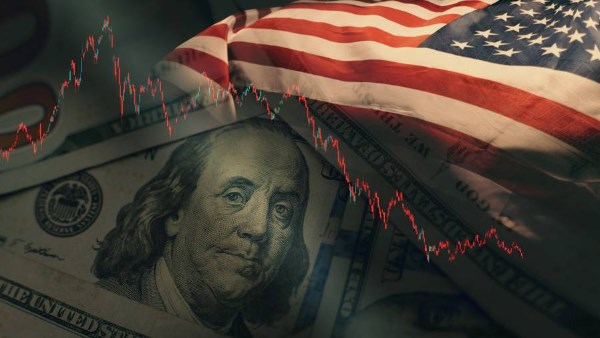




Prices consumers pay for a broad range of goods and services rose in line with expectations for February, offering a final look at inflation pressures before an oil shock tied to the Iran war rattled the outlook.
The consumer price index increased a seasonally adjusted 0.3% for the month, putting the 12-month inflation rate at 2.4%, according to Bureau of Labor Statistics data released Wednesday. Both numbers matched the Dow Jones consensus forecast.
Stripping out volatile food and energy prices, core CPI posted a 0.2% monthly reading and 2.5% annual rate, compared to forecasts for 0.2% and 2.5%, also in line with the estimates.
The annual rates were unchanged from January, indicating that inflation was holding above the Federal Reserve’s 2% target but not getting worse.
While the report showed inflation broadly stable, prices rose modestly for shelter and services while several goods categories, including used vehicles and auto insurance, saw declines.
Shelter, which is the single-biggest component of CPI, posted a 0.2% increase, putting the annual rate at 3%. Within the category, rent rose just 0.1%, the smallest monthly increase since January 2021.
Apparel prices, which are sensitive to tariff pressures, saw a 1.3% monthly gain. New vehicle prices were steady and up just 0.5% from a year ago while energy rose 0.6% and also saw a 0.5% annual increase.
Food prices accelerated 0.4% for the month and were up 3.1% from a year ago. Egg prices fell 3.8%, putting the annual drop at 42.1%.
Markets reacted little to the report, with stock market futures mixed and Treasury yields higher.
The data predates the recent surge in oil prices tied to escalating tensions involving Iran, meaning any impact from higher energy costs will likely show up in the months ahead.
The U.S.-Israel attack on Iran dramatically changed the outlook, at least in the near term.
Following the attack, crude oil climbed sharply amid fears of supply disruptions in the Middle East.
Higher oil prices could complicate the inflation outlook in coming months, as increases in gasoline and other energy products often filter through to transportation, shipping and a wide range of consumer goods. Sustained gains in crude prices can quickly show up in headline inflation readings even if underlying price pressures remain stable.
However, economists generally view such moves as temporary and likely to abate once the Iran situation cools. Crude prices are well off their highs after briefly popping above $100 a barrel Monday, but were up about 4% in Wednesday trading.
From the Federal Reserve’s perspective, the February CPI report likely keeps the central bank on hold as it watches how a series of interest rate cuts last year, plus the current geopolitical tensions, impacts the economic outlook. Traders expect the next rate cut to come in September, and were assigning about a 43% chance of a second move before the end of the year, according to the CME Group’s FedWatch tool.
-920252122624392.jpg "TOREC")