



An extended war in the Gulf region could mean a double whammy for retailers
Retail firms warn of price hikes if Iran war extends for months



-9202620935848.jpg)
-9202620935849.jpg)

Retail firms are warning that the conflict in the Middle East is driving up costs and could lead to price hikes if the war continues beyond the short term.
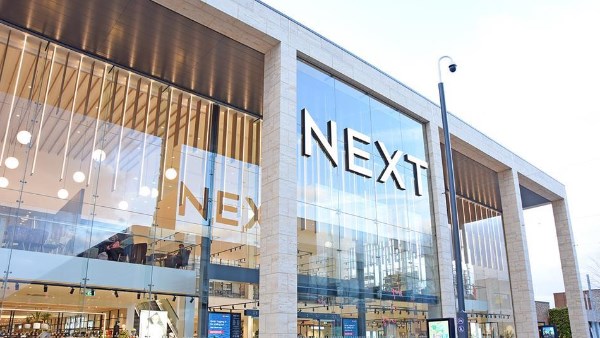
Instability in the Middle East region will not only restrain growth in the region but is also likely to have a knock-on effect on costs, selling prices, and consumer demand in the rest of the business, warned British retailer Next on Thursday.
The company has accounted for £15 million ($20 million) of additional costs likely to arise from the conflict, such as fuel and air freight, assuming the disruption lasts for three months. Increased costs will not affect guidance as they have been offset by savings elsewhere, it added.
“Beyond the next three months, if we see these costs persist, then we will begin to pass costs through as higher pricing,” the company said early on Thursday as it reported results for the fiscal year ending January. The Middle East represents about 6% of Next’s total turnover.
An extended war in the Gulf region could mean a double whammy for retailers as it may increase inflationary pressures and disrupt supply chains, leading to an overall higher cost base. It could also hurt demand as consumers are increasingly squeezed by the increased cost of living, resulting in less spending on discretionary items.
The Iran war and effective closure of the Strait of Hormuz have sent oil and gas prices soaring since the first strikes on Feb. 28, and has upended inflation forecasts in Europe and beyond.
Companies’ price-hike expectations and wages for new hires were some of the key inflation indicators that the European Central Bank will monitor, its Chief Economist Philip Lane said on Wednesday.
Cost pressure
H&M said Thursday that “current geopolitical instability in the Middle East could, if extended, result in slightly additional cost pressure.”
The Swedish retailer has a relatively low exposure to the Middle East, with about 3% of its stores in the region and a low share of air freight in its supply chain.
“On a global scale, we don’t see any significant impact on the consumer behavior at this point in time, although we are very aware of that the consumer has been on a high inflationary pressure for a long period of time and increasing energy prices will have a spillover effect,” noted H&M CEO Daniel Ervér in a call with analysts following the company’s fiscal first-quarter earnings report Thursday.
If the conflict is sustained, however, there could be a “significant impact” on consumer behavior, Ervér added, without giving further details on at what point an impact could be expected.
Analysts have said that discretionary-heavy retailers are more likely to be negatively impacted by the war, as it is adding uncertainty to an already weakened consumer.
H&M will invest in quality improvements, in-season buying, and competitive pricing to stay competitive and relevant for customers, the company said.
Jefferies analysts noted that while H&M’s release didn’t appear to flag any major changes in consumer behavior outside of the region yet, “this is ahead of the potentially more enduring impact on consumer disposable incomes in case of sustainably more elevated energy costs.”
H&M early Thursday reported first-quarter local currency sales that declined by 1%, but good cost control helped the company beat expectations on profitability, the company said. It was “a quarter marked by cautious consumption and large currency translation effects,” it said.
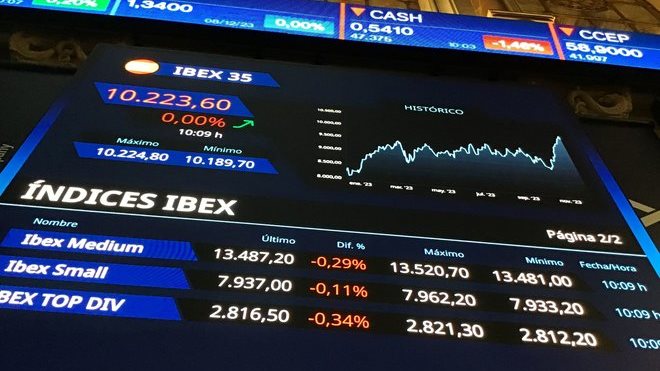
Shares fell 2.2% in late morning trading, partially paring earlier losses.
-920252122624392.jpg "TOREC")