




Stopgap measures to soften the blow of the oil cutoff have kept crude prices relatively low in
A new oil shock is building. The next few weeks of war will be decisive for the economy



-9202620935848.jpg)
-9202620935849.jpg)

The clock is ticking on the U.S.-Israeli war in Iran. The emerging view from oil industry executives and analysts is that the economic and market fallout from the war could escalate sharply if the Strait of Hormuz isn’t reopened within roughly the next one to three weeks. Even then, enough damage may have been done already to leave energy and many other prices higher for longer.
These risks haven’t been clearly reflected in some widely followed markets, including stocks broadly and the benchmark Brent crude price
. Stopgap measures to soften the blow of the oil cutoff have kept crude prices relatively low in the U.S. and European markets. But when those measures lose their effectiveness in early-to-mid April, analysts warn there will be little the U.S. or other governments can do to keep energy prices from rising dramatically.
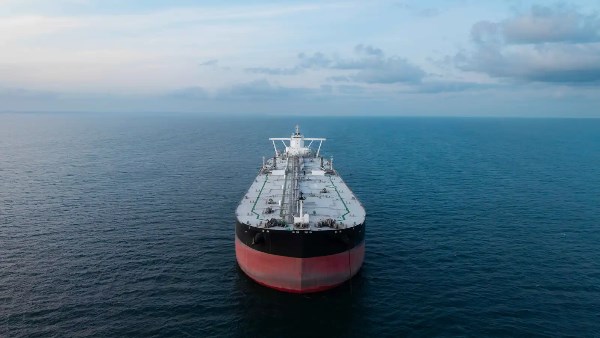
Iran has attacked civilian ships and energy infrastructure in its neighborhood, causing traffic in the narrow Strait of Hormuz to fall to a standstill. Roughly 20% of global oil supply normally moves through the approximately 100-mile waterway, which borders Iran. Some oil has been rerouted through pipelines, but they can only carry so much. The U.S. and others are releasing 400 million barrels of oil from strategic reserves — the biggest release on record — and the U.S. has temporarily lifted sanctions on some Russian and Iranian oil to give the market breathing room.
The White House says it believes the president’s military strategy will soon end the Iranian threat, allowing the price worries to fade.
But all agree there is no substitute for reopening the strait. Oil industry executives have in the past few days sketched out the risk of growing disruption from the war.
“There are very real, physical manifestations of the closure of the Strait of Hormuz that are working their way around the world,” Chevron CEO Mike Wirth said Monday at S&P Global’s CERAWeek in Houston. Shell CEO Wael Sawan echoed him a few days later at the annual gathering of industry heavyweights. Disruptions that started in South Asia have “moved to Southeast Asia, Northeast Asia and then more so into Europe as we get into April,” Sawan said Wednesday.
The talk of the conference was the difference between so-called paper and physical prices, said Ben Cahill, director for energy markets and policy at the Center for Energy and Environmental Systems Analysis, University of Texas at Austin.
-920252122624392.jpg "TOREC")