




Iranian officials have responded defiantly
U.S. begins blockade of Strait of Hormuz



-9202620935848.jpg)
-9202620935849.jpg)

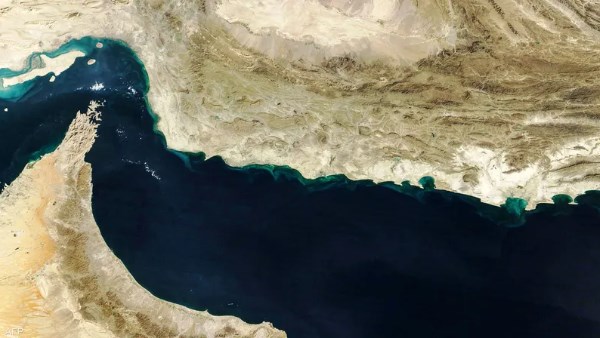
The U.S. on Monday has begun blocking ships from entering or exiting the Strait of Hormuz, attempting to ratchet up pressure on Iran to reopen the key oil route after peace negotiations collapsed.
President Donald Trump, announcing the plan Sunday on Truth Social, slammed Iran for refusing to give up its nuclear ambitions and accused Tehran of “WORLD EXTORTION” by continuing to throttle traffic through the strait.
The U.S. blockade, which was set to begin at 10 a.m. ET, applies to “any and all Ships trying to enter, or leave, the Strait of Hormuz,” Trump said.
The U.S. Central Command later added the caveat that American forces “will not impede freedom of navigation for vessels transiting the Strait of Hormuz to and from non-Iranian ports.”
U.S. stocks sank and oil prices surged ahead of the blockade.
Trump said in his Truth Social post that other countries will “be involved” with the blockade. But some U.S. allies, including NATO members Britain and France, have already refused to join the effort.
Iranian officials have responded defiantly, warning the U.S. blockade will only drive global energy prices higher.
“Enjoy the current pump figures. With the so-called ‘blockade’, Soon you’ll be nostalgic for $4–$5 gas,” Iran’s parliamentary speaker, Mohammad Bagher Ghalibaf, said in an X post Sunday.
A fragile U.S.-Iran ceasefire, while not officially scrapped, has been deeply frayed as each side has accused the other of violating the conditions of the truce.
The ceasefire was brokered last week, after Trump issued an ultimatum declaring Iran’s “whole civilization will die” if no deal was reached by Tuesday evening.
U.S. negotiators, including Vice President JD Vance, flew to Islamabad for weekend peace talks with Iran, raising hopes that a deal to end the war was at hand.
But Vance said early Sunday that the U.S. delegation would return home without a deal. After 21 hours of of negotiations, Iran still refused to agree not to seek or develop a nuclear weapon, Vance said.
-920252122624392.jpg "TOREC")