




Russian forces relied heavily on the Starlink terminals
Disabling Russian Starlinks helped Ukraine reclaim 400 sq km



-9202620935848.jpg)
-9202620935849.jpg)

Ukraine managed to reclaim about 400 sq km of territory in an offensive operation earlier this year after thousands of illicit Russian Starlink terminals were blocked, U.S. Defense Intelligence Agency (DIA) revealed, Bloomberg wrote on May 22.
As of DIA's assessment, this marked Kyiv’s first major territorial breakthrough since 2023. The congressional report noted that the advance became possible after the terminal blackout "temporarily but significantly degraded" Russian military capabilities.
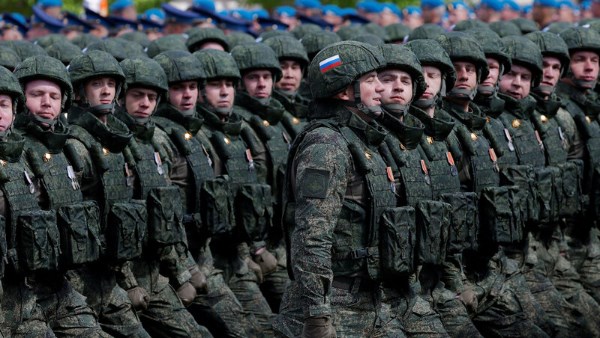
The document highlighted that Russian forces relied heavily on the Starlink terminals to coordinate troop movements and launch drone strikes.
"Russia’s military capabilities in Ukraine were temporarily but significantly degraded due to efforts by Ukrainian officials in February to disable thousands of Starlink terminals illegally used by Russian forces to coordinate movements and unmanned aerial vehicle strikes in areas where communication was unreliable or easily jammed," the report stated.
According to Bloomberg, Russia's frontline communications suffered an additional blow when the Kremlin tightened restrictions on the Telegram messaging app — a platform heavily used by Russian soldiers for battlefield coordination. The move sparked widespread discontent among Russian military.
DIA's findings underscore just how pivotal Starlink terminals have become in the conflict. However, the report also noted that as of March, the Russian military still maintained an overall advantage over the Ukrainian Armed Forces across most combat functions.
The targeted tech crackdown followed a joint effort between Ukrainian Defense Minister Mykhailo Fedorov and Elon Musk's SpaceX.
On Jan. 29, Fedorov announced that the ministry was working with SpaceX to resolve the issue of Russian occupiers using Starlink on their drones. Musk responded on Jan. 30, stating he was "glad to help," and by Feb. 1, confirmed that the countermeasures implemented by his company were yielding results.
On Feb. 2, Fedorov announced a comprehensive verification process for all Starlink terminals in Ukraine, ensuring that only verified and officially registered devices could operate, while all others will be systematically disconnected.
By Feb. 5, Ukrainian Defense Ministry confirmed that the rogue terminals were shut down, bringing Russian assaults to a standstill across multiple sectors of the front. Internal reports indicated a "catastrophe" and widespread panic among the occupying forces. The resulting communication breakdown provided the Ukrainian Defense Forces with a vital window to launch successful counterattacks and slow the Russian advance, a development previously tracked by the Institute for the Study of War (ISW).
-920252122624392.jpg "TOREC")