




Benchmark futures rose as much as 2.3 percent Thursday
European gas prices jump as Qatar pauses push to ramp up LNG
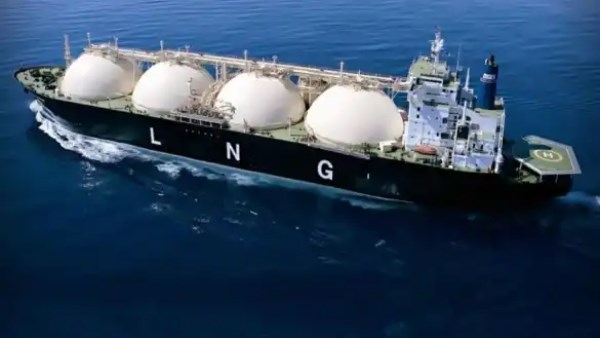




European natural gas prices briefly jumped above €50 ($57) a megawatt-hour for the first time in a month after a report that Qatar is pausing efforts to rapidly revive production at the world’s largest liquefied natural gas facility, threatening a recovery of flows through the Strait of Hormuz.
Benchmark futures rose as much as 2.3 percent Thursday after fluctuating earlier in the day. Prices are near the highest since the US and Iran signed an interim peace agreement last month.
Bloomberg News reported Qatar is pausing efforts to rapidly revive production after an attack on one of its tankers in the Strait of Hormuz raised fears that transit through the crucial waterway is still too risky. The pause is one of the most high-profile fallouts of the heightened tensions this week with attacks on a number of ships near Hormuz and the US striking Iran for two consecutive days.
The war that began more than four months ago has curbed flows that previously made up about a fifth of global LNG trade. For Europe, the tighter supplies mean it has to compete more with other global buyers for cargoes as it stockpiles fuel for next winter and contends with spells of hot weather.
The region’s gas storage sites are much emptier than they usually are this time of year, with sites across the European Union only 51 percent full, compared with a seasonal average of 65 percent. In Germany they’re just over 43 percent full.
“The key question is whether these attacks will trigger a more serious resumption of fighting or if they will be followed by another tenuous truce,” RBC Capital Markets head of global commodity strategy and MENA research Helima Croft said in a note.
Even after a reopening of Hormuz, the recovery of LNG exports from Qatar “will be slow and incomplete,” Frederic Lorec, an analyst at AlphaValue in Paris, said in a note. Depending on how long the disruption lasts, global LNG supplies could see a drop of as much as 28 million tons this year, compared with 42 million tons of growth expected before the war, he wrote.
The risks are also playing out in the options market, with more traders hedging against winter price spikes. Implied volatility - a measure of the cost of underlying options contracts - has edged up this week to the highest in a month.
Dutch front-month futures, Europe’s gas benchmark, traded 2.0 percent higher at €50 ($57) a megawatt-hour as of 3:01 p.m. in Amsterdam.
-920252122624392.jpg "TOREC")