




Core inflation, which excludes food and energy, was flat on the month
Consumer prices rose 3.5% annually in June, less than expected as energy prices eased
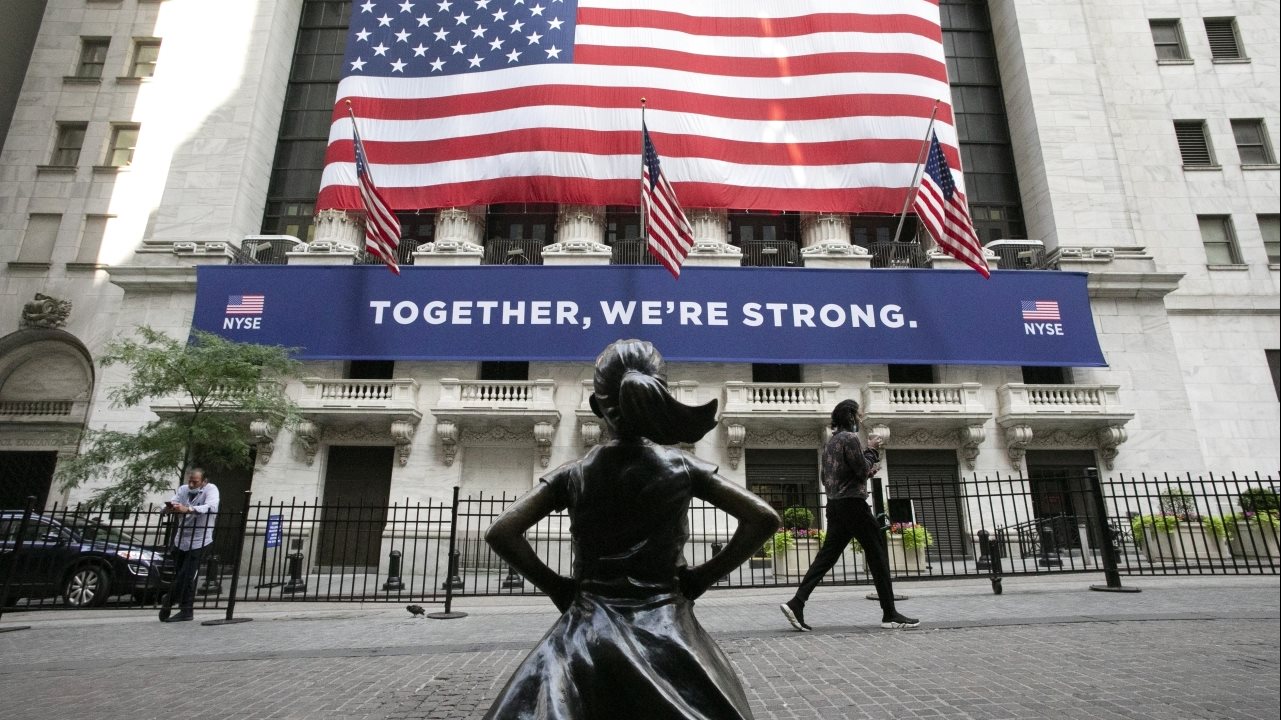




Consumer prices posted their biggest decline in more than six years during June as a sharp swoon in energy prices provided at least temporary relief from this year’s inflation surge, the Bureau of Labor Statistics reported Tuesday.
The consumer price index, a broad measure of costs for goods and services across the U.S. economy, was lower than expected across the board. The CPI fell a seasonally adjusted 0.4% for the month, bringing the annual inflation rate down to 3.5%.
Economists surveyed by Dow Jones had been looking for a drop of 0.2% and an inflation rate of 3.8%, following the 4.2% reading in May. The monthly decline in headline inflation was the biggest since April 2020.
Core inflation, which excludes food and energy, was flat on the month, putting the 12-month rate at 2.6%. The consensus forecast was for respective increases of 0.2% and 2.9%, following a 2.9% May level.
The energy index slumped 5.7% in June, its biggest monthly drop since April 2020, though it still surged 15.7% on an annual basis, pushed by a 26.7% gain for gasoline. However, gasoline and fuel oil both saw decreases of more than 9% in June.
In addition, services costs, which are closely watched by Federal Reserve policymakers for longer-run inflation trends, moderated significantly. Services excluding energy costs were flat, with shelter rising just 0.1% and transportation services posting a 0.3% decline.
Food prices rose 0.2%, while new vehicles were flat and used cars and trucks saw a 0.2% decline. Apparel prices, which are sensitive to both energy and tariff inputs, fell 0.6%.
Stock market futures were mostly positive following the report while Treasury yields were sharply lower. Traders continued to expect the Fed to hike in September, though they lowered the odds to 63% from better than 75% a day ago, according to the CME’s FedWatch measure of futures prices.
The Fed currently targets its key overnight borrowing rate in a range between 3.5%-3.75%.
“June finally brought some relief on inflation,” said Heather Long, chief economist at Navy Federal Credit Union. “This takes the pressure off the Federal Reserve and allows the central bank to wait and see what happens. The concern is that this relief will be short-lived as the war in Iran re-starts. It’s too uncertain to know how the inflation story ends.”
Though the inflation readings provided some hope, they are unlikely to motivate Federal Reserve officials to lower interest rates anytime soon, with the central bank broadly expected to raise its benchmark rate in September. Fed Governor Christopher Waller said Monday that it would take several months of positive readings to convince him that inflation is moving back to the central bank’s 2% target.
The report follows tough talk from Fed officials about inflation. Following their June meeting, policymakers released a statement flatly saying the rate-setting Federal Open Market Committee “will deliver price stability.”
New Fed Chairman Kevin Warsh, while previously expressing a belief that interest rates could be lowered in the future, has made controlling inflation a centerpiece of his message since taking office in May.
“The Fed’s number one objective is to get monetary policy right — or as near to it as we possibly can.” Warsh said in remarks to Congress set for delivery Tuesday. “That is our clear and constant aim, the star we steer by. And if we get policy right — and we will — the inflation surge of the last five years will be a thing of the past.”
Easing inflation could become temporary depending on how things play out in the Middle East.
An lessening of hostilities helped drive oil costs about 25% lower in June, but President Donald Trump last week declared a ceasefire with Iran over as the two sides exchanged attacks. Oil spiked Monday and was higher again Tuesday.
“The longer the conflict drags on, the higher the probability that the Fed will have to hike and back its promise from Warsh’s first meeting as Chair to ‘deliver on price stability,’” said Ryan Weldon, investment director at IFM Investors.
-920252122624392.jpg "TOREC")