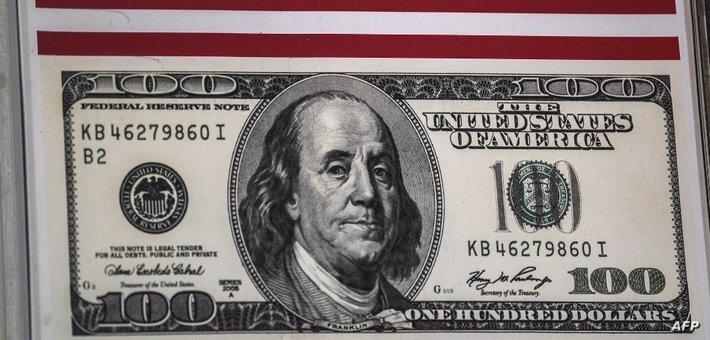





Concern over potential contagion from the European bond woes has intensified in recent weeks
Emerging Markets Better Armed for Renewed European Debt Turmoil




-9202620935848.jpg)
-9202620935849.jpg)

Emerging-market bonds and currencies were whipsawed by the Eurozone debt crisis 15 years ago, but they are now better equipped to withstand any repeat of that turmoil, analysts say.
Developing nations have improved their fiscal positions in recent years, while their relatively high bond yields offer greater protection. Emerging-market central banks have also demonstrated their independence and earned investors' trust by navigating previous episodes of upheaval, such as the pandemic.
Concern over potential contagion from the European bond woes has intensified in recent weeks as the extra yield investors demand to hold French bonds over their German peers climbed to the highest level since the regional debt crisis in 2011. Adding to those fears has been the surge in oil prices caused by the conflicts in the Middle East and Ukraine.
"Compared to 2011, EMs are better positioned today, with stronger fiscal dynamics, external balances, and high nominal yields that provide structural resilience," said Carol Lye, a fund manager at Brandywine Global Investment Management in Singapore. Relatively light positioning in emerging-market currencies also mitigates the risk of any forced selling in a Eurozone contagion scenario, she said.
Brandywine's confidence has led it to add to its holdings of Latin American currencies, while maintaining exposure to North Asian ones benefiting from artificial intelligence spending, Lye said.
The European debt crisis that escalated sharply in August 2011 heightened global risk aversion, prompting investors to favor safer assets and making emerging-market bonds and currencies vulnerable to sudden outflows. The extra yield investors received for holding developing-nation dollar bonds over Treasuries surged to as much as 447 basis points in October of that year, a level that was only surpassed in 2020 during the peak of the Covid pandemic. It is currently about 189 basis points.
This year though, emerging markets have outperformed their developed-market peers. While 10-year Treasury yields surged above 5% last month to the highest level since 2002, the yield on a Bloomberg index of global emerging-market local-currency debt closed Friday at 4.21% almost unchanged from a month earlier.
Emerging markets are well positioned," said Eric Fine, head of active emerging markets debt at VanEck in New York. "They are generally sound credits with independent central banks that have already navigated crises."
"EMs broadly would be winners, as they represent alternative reserve assets," he said.
That's not to say there aren't some pockets of risk. Analysts say some emerging nations are more vulnerable than others because of widening fiscal deficits.
"Liquidity can deteriorate much faster than economic fundamentals," as markets could suddenly only care about fiscal vulnerabilities and nothing else, said Lyndon Man, co-lead of Invesco Global Investment Grade Credit in London.
Brazil remains a key market to watch, with the challenge for investors being whether "improving sentiment following recent political developments is ultimately matched by credible fiscal implementation," he said.
Brazil's nominal fiscal deficit has risen to nearly 10% of gross domestic product, while public debt has soared above 80%, making investors increasingly jittery. Still, Brazilian assets rallied last week after more market-friendly Flávio Bolsonaro surged to a lead over Luiz Inácio Lula da Silva in the first round of the presidential election.
Currencies and bonds from Central and Eastern European economies also appear potentially at risk, according to Macro Hive Ltd., a global macroeconomic research and investment analysis firm.
"CEE member countries of the EU would be the most vulnerable in emerging markets to any disruption within the Eurozone itself, given that their economies and monetary policies are so intertwined," said Simon Quijano-Evans, a senior emerging market strategist at Macro Hive in London.
Poland in particular has seen recent fiscal pressure, with Moody's Ratings downgrading the nation's sovereign credit score by one notch to A3 in September.
Others in the market see any selloff in emerging-market assets due to a European debt crisis as an opportunity to boost their holdings.
The 2011 debt crisis "ended up being a massive buy opportunity," said Edwin Gutierrez, head of emerging market sovereign debt at Aberdeen Investments in London. This time, emerging-market debt should be less sensitive to European government bond yields, he said.
Aberdeen is taking shelter from a possible European crisis by favoring local-currency bonds in frontier markets such as Nigeria, Egypt and Kazakhstan, as the securities are "not correlated to broader developed bond markets," he said.
-920252122624392.jpg "TOREC")