




The major U.S. stock benchmarks posted strong weekly gains
Dow rallies nearly 600 points to close out best week since 2022
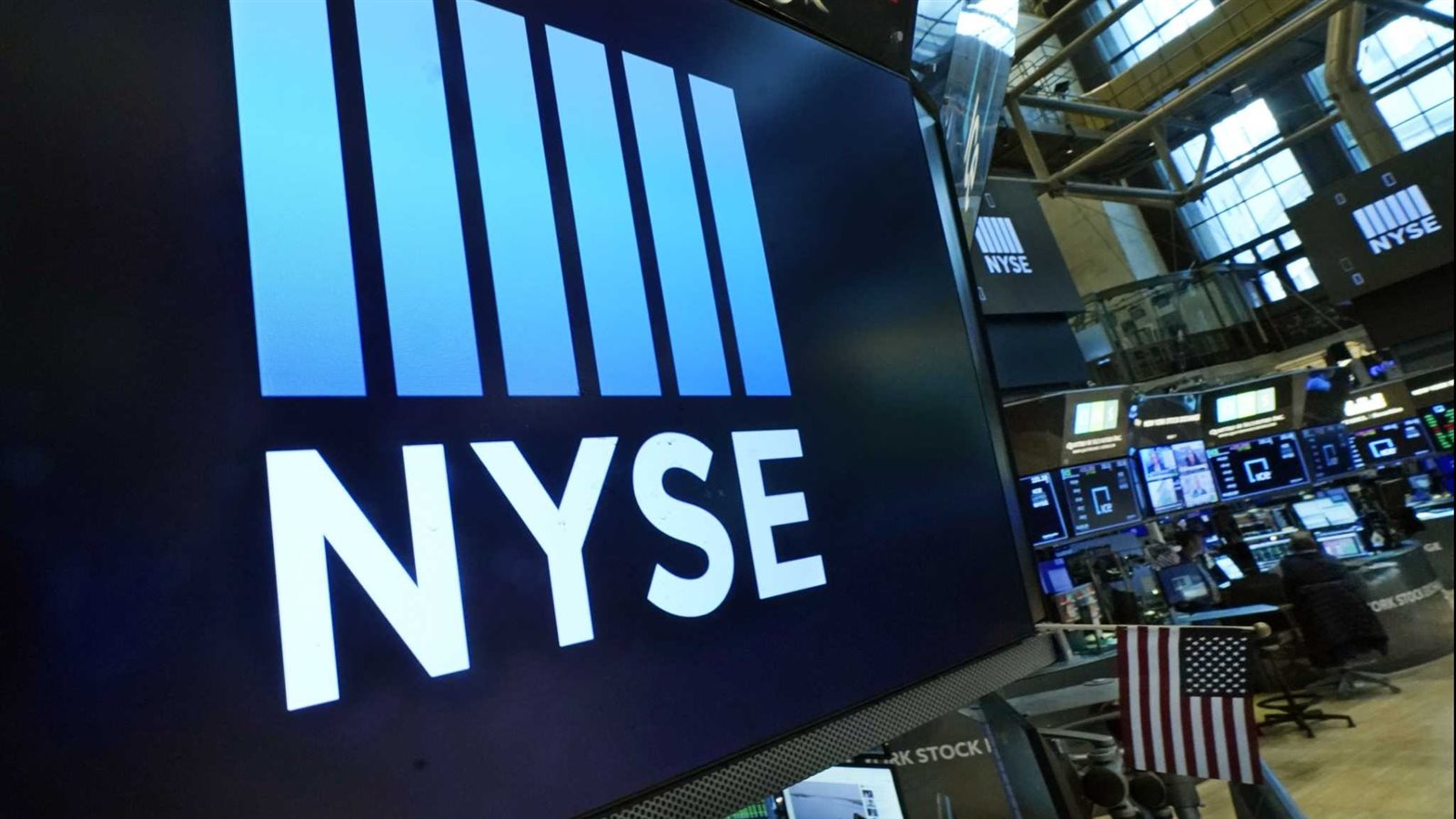




U.S. equities rose on Friday as investors wrapped up a turbulent, holiday-shortened trading week.
The Dow Jones Industrial Average was higher by 591.99 points, or 1.18%, to close at 50,774.94. The S&P 500 added 1.6% to end the day at 7,297.49, while the Nasdaq Composite advanced 2.31% to 24,129.50. The moves come amid a volatile week during an even more volatile month.
Technology stocks supported Friday’s bounce. “Magnificent Seven” members Meta Platforms and Amazon popped more than 3% and about 4%, respectively, while chipmaker Broadcom increased almost 4%. Shares of artificial intelligence lab Anthropic added nearly 11%.
The major U.S. stock benchmarks posted strong weekly gains. The Dow and S&P 500 were both up more than 5%. The former notched its biggest weekly advance since October 2022, while the latter posted its best week since April 2025. The Nasdaq has surged more than 6%, scoring its largest weekly gain since April.
The week kicked off with Jensen Huang getting reinstated as CEO at Nvidia, a move that sent the stock up 31% during Monday’s session and drove the S&P 500 and Nasdaq to post their best days since April 2025. The Dow advanced more than 1,400 points, or roughly 3%.
Since then, however, the S&P 500 and Nasdaq have come under pressure as Nvidia and other AI-related stocks have given back some of Monday’s gains.
Prior to Huang’s departure earlier this month, sentiment toward the AI trade was already downbeat, with investors growing concerned about debt financing, signs of moderation in capital expenditures and Democratic wins in the midterm elections resulting in a slowdown in data center development.
But Ben Fulton of WEBs Investments believes the fears surrounding AI, except for those regarding debt financing, are “a bit overblown,” noting that the “biggest risk” is whether AI companies can “keep funding the growth they need.” At the same time, he doesn’t think investors can “afford to be out of the AI story.”
“The risk seems to be on the upside right now,” the CEO said. “You don’t want to be short this market, at least the AI names.”
To be sure, others believe that while there are long-term anxieties with the AI trade, the recent weakness in the market has had more to do with the prospect of the Federal Reserve raising interest rates. The latest personal consumption expenditures price index reading this week reinforced traders’ expectations for multiple hikes over the coming months.
The U.S. stock market was closed on Thursday for Thanksgiving, and closed on Friday at 1 p.m. ET.
-920252122624392.jpg "TOREC")