




Egypt’s securitization market witnessed record growth in 2023 and 2024
Dr. Nermin Tahoun: 85% of Production Inputs Priced in Dollars and Lack of Pricing Flexibility Limit Foreign Acquisitions in Egypt’s Pharmaceutical Market



-9202620935848.jpg)
-9202620935849.jpg)

- Egypt’s pharmaceutical market size: EGP 300 billion, with 85% of production inputs imported in dollars
- EGP 96 billion in securitization issuances in a single year supports healthcare companies’ financing
- Drug registration procedures take 18 to 36 months, posing challenges for new investments
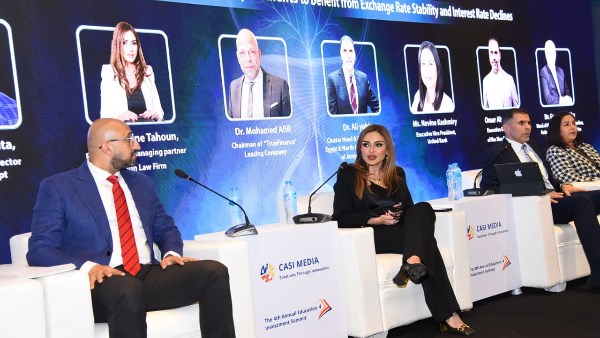
Dr. Nermin Tahoun, Founding Partner of Tahoun Law firm, highlighted during the 2nd Healthcare Investment Summit in Cairo that Egypt’s healthcare and pharmaceutical sectors are at a critical juncture, requiring a realistic assessment of the economic and legal challenges that have affected the market over the past two years.
She explained that the depreciation of the Egyptian pound has not led to an expected increase in foreign acquisitions of pharmaceutical companies, as the currency drop coincided with rising market risks due to persistent exchange rate volatility and production costs exceeding 85% for imported raw materials priced in dollars. Dr. Tahoun added that foreign investors have become more cautious entering the Egyptian market, as currency depreciation is no longer a competitive advantage amid unpredictable future costs, coupled with the mandatory drug pricing system, which remains a major barrier to industry expansion and investment, preventing price adjustments aligned with actual costs or market changes.

Dr. Tahoun noted that recent monetary policy developments, particularly lower interest rates, have revitalized the non-banking financing sector, with securitization and factoring becoming more effective alternatives for funding expansions in healthcare. She highlighted that Egypt’s securitization market witnessed record growth in 2023 and 2024, exceeding EGP 96 billion in issuances in a single year, as companies turned future cash flows into immediate liquidity amid high bank borrowing costs. Lower interest rates have increased companies’ ability to use instruments like factoring, providing fast financing without heavy collateral, supporting pharmaceutical companies under working capital pressures and import/manufacturing challenges.
Regarding legal challenges for new investments, Dr. Tahoun pointed to structural issues requiring urgent attention, including drug registration procedures taking 18 to 36 months and the absence of long-term industrial policies for localizing pharmaceutical raw materials. She explained that regulatory instability in pricing, registration, and quality standards discourages foreign investors from injecting new capital into the market.
She added that valuation of pharmaceutical acquisition deals has become more complex due to fluctuating production costs and margins affected by uncontrollable factors. Banking financing requirements are another significant barrier, especially for small and medium-sized manufacturers lacking sufficient collateral. Challenges also extend to securitization and factoring, which require stable cash flows and credit ratings not accessible to all market players.
Dr. Tahoun emphasized that legal and regulatory reforms could serve as the key driver to stimulate investment if aligned with industry needs. She called for a more flexible pricing system reflecting actual costs and exchange rates, faster registration procedures through a single-window system, and incentives for companies investing in local raw material production. Providing a fair financing framework through innovative instruments, including investment partnerships, securitization, and factoring, would enable pharmaceutical manufacturers to expand and achieve stable, competitive returns.
She concluded that 2026 could see a notable improvement in investment appetite, provided that recent reforms continue and a more stable regulatory environment is maintained, stressing that Egypt’s pharmaceutical industry has strong growth potential when supported by clear policies, fair financing, and genuine public-private partnerships.
-920252122624392.jpg "TOREC")