




Current pressure points are consistent with previous regional disruptions
Savills: Egypt real estate remains stable amid regional uncertainty, with limited pricing impact




Egypt’s real estate market continues to show stability despite ongoing regional developments, according to Savills Egypt. While broader geopolitical uncertainty remains, the market is largely operating as usual, with developers maintaining project pipelines and demand levels holding steady.
Savills notes that current pressure points are consistent with previous regional disruptions, with the economic impact on Egypt largely driven by external factors rather than direct exposure. Energy costs are currently the main pressure point, pushing up costs across the market. Despite these pressures, Fitch Ratings stated in a recent report that Egypt’s financial system is entering this phase from a more stable position, supported by strong banking sector fundamentals, including capitalization, profitability, and foreign currency liquidity buffers.
Cost pressures without structural repricing
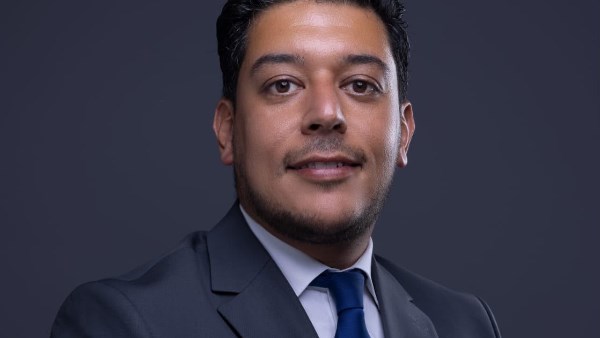
Catesby Langer-Paget, Head of Savills Egypt, states: “From a real estate perspective, the sector is facing near-term cost pressures, primarily linked to exchange rate movements, energy inputs, and supply chain disruptions. At this stage, we see no indication of a broad repricing of real estate assets. Developers are maintaining pricing discipline while continuing to prioritise sales activity and project delivery. Many had already factored in elevated exchange rates during the volatility of 2024, allowing them to absorb part of the current cost increases.”
Savills also highlights that project pipelines remain active, with continued launches across segments, showing that developers are still moving ahead with plans rather than slowing down.
Demand holds: Real estate continues to act as a safe haven
Demand fundamentals remain intact, according to Savills. Real estate continues to be viewed as a hedge against inflation, with buyers turning to property to protect value.
Buyer activity reflects this trend, with enquiry levels remaining strong. Supported in part by the relative stabilization of the Egyptian pound prior to the conflict, buyers continue allocating capital into real assets.
Egypt’s population growth and ongoing urban expansion continue to support demand across residential and mixed-use projects.
Developer response: Operational continuity and pricing discipline
Savills observes that developers have maintained a steady and measured approach, with no signs of panic or sudden changes in strategy.
The focus remains on sustaining sales, managing costs, and keeping projects on track. Pricing strategies are being approached cautiously, without sharp adjustments.
According to Savills, this reflects a more mature market, where developers are better equipped to manage volatility through improved planning assumptions and disciplined financial models, drawing on experience from previous market cycles.
Sustained regional confidence
As per Savills research, regional investment activity remains stable. GCC developers and
investors in Egypt are continuing to advance projects, including large-scale developments along the North Coast.
This points to continued confidence in Egypt’s real estate market and its long-term potential.
Outlook: Duration remains the key variable
Looking ahead, Savills emphasizes that the trajectory will depend on the duration of the current conflict and its impact on currency stability and energy costs.
Overall, the market is expected to remain resilient, with Egypt’s real estate sector supported by underlying demand, more experienced developers, and sustained investor interest.
Savills will continue to monitor developments closely as the situation evolves
-920252122624392.jpg "TOREC")