




Powell in recent months has been embroiled in a Department of Justice criminal probe
Kevin Warsh hearing takeaways: Trump Fed chair nominee defends finances, says president never demanded rate cuts



-9202620935848.jpg)
-9202620935849.jpg)

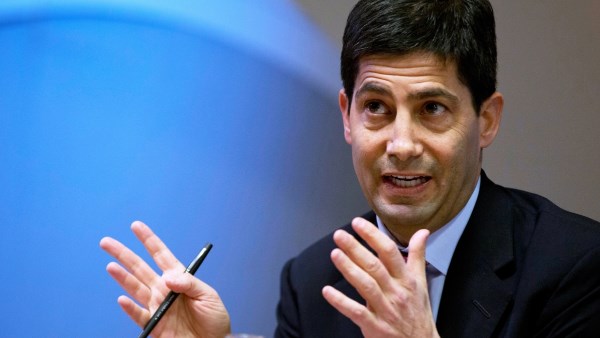
Kevin Warsh, the 56-year-old former Federal Reserve governor, was in the hot seat for his Senate Banking Committee confirmation hearing and said his Fed would be independent from the White House.
Warsh fielded questions on issues ranging from his views on monetary policy to his sprawling and complex personal finances to his ties to the Trump White House. He would become the wealthiest Fed chair if confirmed.
Questions about the Fed’s long-cherished independence have dominated the discourse surrounding the central bank during President Donald Trump’s second term. Warsh gave a qualified endorsement of Fed independence — but noted he doesn’t believe that dynamic is endangered when the central bank’s actions are questioned by elected leaders.
Trump, who originally nominated Jerome Powell for Fed chair during his first term in 2017, has waged a long-term campaign to try to browbeat the central bank leader into hastily slashing interest rates. Powell in recent months has been embroiled in a Department of Justice criminal probe after refusing to acquiesce to Trump’s demands. Trump told CNBC’s “Squawk Box” early Tuesday that he doesn’t plan to pressure the DOJ to wrap up that probe.
A theory has swirled for months that Trump’s ultimate nominee for Fed chair may attempt to seize control of the institution by attempting to fire the presidents of the Fed’s regional reserve banks. A rotating set of those bank presidents vote on monetary policy. Replacing them with loyalists could help Warsh get rates down faster.
Sen. Lisa Blunt Rochester, D.-Del., tried to draw a commitment out of Warsh that he wouldn’t attempt to do so. Warsh has often said he wants “regime change” at the Fed. Does that mean firing the regional Fed presidents? the senator asked.
“I mean policy regime change,” Warsh said.
Sen. Ruben Gallego, D-Ariz., sharply questioned Warsh on his insistence that Trump has never demanded he cut interest rates.
“Someone here is lying then,” Gallego said. “It’s either you or President Trump.”
Gallego then referenced The Wall Street Journal’s reporting on Dec. 12 that Trump, during a 45-minute meeting with Warsh at the White House, pressed the nominee “on whether he could trust him to support interest rate cuts if he were chosen to lead the central bank.”
The report cited unnamed people familiar with the meeting. But Trump, in a later interview with the Journal, “confirmed that reporting,” according to the newspaper.
Warsh “thinks you have to lower interest rates,” Trump told the Journal. “And so does everybody else that I’ve talked to.”
Warsh told Gallego that he recalled reading the story at the time and thought the Journal’s reporters “either need better sources or better journalist standards.”
But he said he did not ask for a correction at the time, and he did not address Trump’s confirmation of the reporting to the Journal.
He instead reiterated, “the president never asked me to commit to interest rate cuts at any particular meeting over the period of my tenure at the Fed. He didn’t ask for it. He didn’t demand it. He didn’t require it, and nor would I have ever done so.”
-920252122624392.jpg "TOREC")