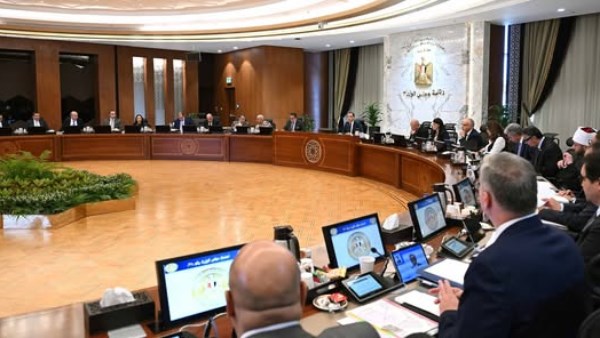





Global markets were edgy Tuesday morning
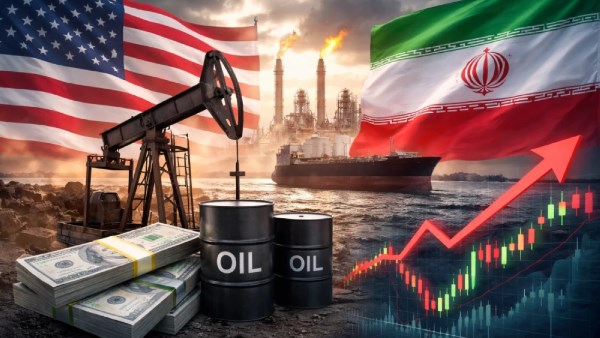
Markets on edge as fresh U.S.-Iran attacks dent optimism over a peace deal



-9202620935848.jpg)
-9202620935849.jpg)

Up until the weekend, global markets had been betting on a fragile ceasefire between the U.S. and Iran turning into a longer-term peace deal.
But escalatory rhetoric, action over the Strait of Hormuz, and fresh Iranian attacks on the United Arab Emirates over the past 48 hours, have led experts to warn war could be back.
Market analysts said the latest developments could mark an inflection point in the war and a critical moment for financial markets and global energy supplies, which are dwindling as the Strait of Hormuz remains largely closed.
“It’s an incredibly delicate moment,” Ben Powell, chief investment strategist for APAC at BlackRock, told CNBC Tuesday.
“It’s very unsettling to have our first missile warnings here in Abu Dhabi for several weeks. We were all hoping that was behind us,” the UAE-based strategist said.
“Looking forward, I think there is a genuine complexity as to whether this escalation yesterday was just part of the negotiation — Iran showing that they’ve still got cards to play, perhaps signaling to the UAE that the UAE can leave the OPEC, but energy leaving the region is still dependent on the favor from Iran — or it could be a beginning of a more difficult moment,” he told CNBC’s “Access Middle East.”
Energy and other key parts of the global economy aren’t flowing, he said, adding that it now feels like we’re approaching a “critical moment” where inventories have been run down, and the delayed impact of the energy shock is starting to come into sharper focus.
War and peace
Global markets were edgy Tuesday morning after the latest developments in the Middle East at the weekend, which saw the U.S. try to end a stalemate over the blockaded Strait of Hormuz by launching “Project Freedom,” essentially, a bid to “free” stranded ships in the strait and to safely escort them out of the waterway, which has been blockaded by both Iran and the U.S.
Those attempts were met with Iranian resistance, with the U.S. saying it had sunk several Iranian boats as a result of skirmishes in the channel, although Iran denied any of its boats had been sunk.
Iran later attacked oil infrastructure in the UAE with missiles and drones, seemingly resuming a strategy of lashing out against its Middle East neighbors to get them to pressure the U.S. to end the war.
Financial markets were a mixed bag on Tuesday, with bourses lower in Asia and mixed in Europe, while U.S. stock futures moved higher ahead of the forthcoming session on Wall Street.
That apparent bounceback in the U.S. comes after the major averages suffered declines on Monday and oil prices rose amid growing concerns that the conflict in the Middle East could resume with a vengeance.
Markets are likely to remain on tenterhooks as they wait to see what happens next, with geopolitical watchers now warning that a complete collapse of the already tentative U.S.-Iran ceasefire is looking increasingly likely.
“The question of the week is whether geopolitical risks will remain messy but contained, or break through to weigh on markets and corporate earnings,” Tina Fordham, founder of Fordham Global Foresight, commented in analysis Tuesday.
“Judging by the apparent resumption today of Iranian attacks on targets in the UAE itself and on ships attempting to pass through the Strait of Hormuz, I’m currently leaning toward the latter,” she warned.
Describing the apparent resumption of Iranian drone and missile attacks against the UAE as “the biggest escalation in some weeks,” she said Tehran had shown the U.S. that it still has fight left in it, peace deal or none.
“Iran is signalling that they still have the capacity to inflict pain and won’t be forced into capitulation. The U.S. increasingly faces a choice between a long war it doesn’t want to fight, or a bad, embarrassing deal,” Fordham noted in emailed comments.
-920252122624392.jpg "TOREC")