




Initial claims increased by 13,000 to 225,000 in the week ending May 30
US jobless claims rise in holiday week to most since February



-9202620935848.jpg)
-9202620935849.jpg)

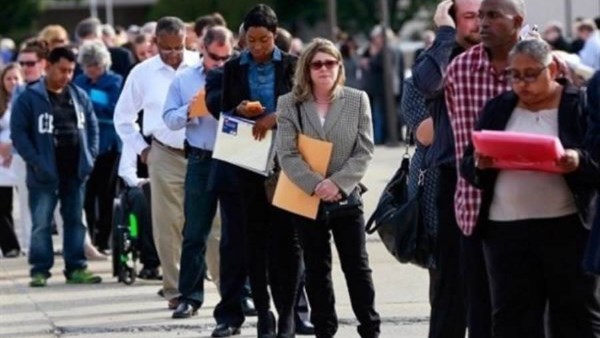
Applications for US unemployment benefits rose last week to the highest level since February, potentially reflecting volatility around the Memorial Day holiday.
Initial claims increased by 13,000 to 225,000 in the week ending May 30, indicated Labor Department data out on Thursday (Jun 4). The median estimate in a Bloomberg survey of economists called for 215,000 claims.
The report covers the period that includes Memorial Day (May 25) and aligns with the start of summer break for some schools. The four-week moving average of initial applications for benefits, a metric that helps smooth out volatility, increased to 214,750 – also the highest since February.
Despite the pickup in claims, the figures still remain close to historically low levels. Continuing claims, a proxy for the number of people receiving benefits, fell to 1.78 million in the previous week.
Looking ahead, a sustained increase in applications for unemployment insurance could indicate higher costs and rising economic uncertainty from the Iran war are beginning to weigh on employers. Continued investment in artificial intelligence has also come at the expense of headcount at some technology companies, driving up layoff announcements in the sector.
Other data released on Thursday showed that US companies in the tech sector announced 38,242 job cuts in May, the most for any month in nearly two years. Planned cuts in the industry are up more than 65 per cent so far this year compared to the same period in 2025, data from outplacement company Challenger, Gray & Christmas showed.
Before adjusting for seasonal factors, initial claims were little changed. Claims in California, Tennessee and Minnesota increased. Texas and New Jersey posted declines.
Separate government data showed a sharper slowdown in labour productivity in the first quarter than previously estimated. Growth in unit labour costs and output were revised lower, and inflation-adjusted hourly compensation fell sharply. Hours worked rose at the start of the year, following a decline in the final three months of 2025.
Even so, nonfarm business labour productivity rose 2.8 per cent from a year ago, indicating companies are gradually improving worker efficiency to mitigate costs.
-920252122624392.jpg "TOREC")