




The Kospi rebounded 18% on Friday but still ended July with a 22% monthly loss
South Korean retail investors retreat after Kospi’s record volatility



-9202620935848.jpg)
-9202620935849.jpg)

South Korean retail investors sold a record amount of Kospi-listed shares on Friday as July's severe market reversal damaged confidence and prompted criticism of President Lee Jae Myung's government, Bloomberg reported.
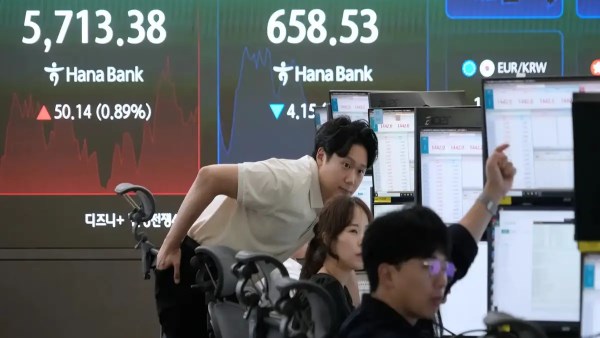
The Kospi rebounded 18% on Friday but still ended July with a 22% monthly loss, its steepest decline since the global financial crisis.
Trading in index constituents was halted four times during the month, setting a record for circuit-breaker suspensions and illustrating the scale of the volatility.
Retail traders had invested approximately 78 trillion won ($54.2 billion) in Kospi shares during May and June, encouraged by the government's market-reform campaign and the launch of single-stock leveraged exchange-traded funds.
Those products offered amplified exposure to individual companies but have been blamed for worsening market swings as leveraged investors rushed to exit concentrated positions.
South Korean authorities temporarily suspended new listings of single-stock leveraged ETFs in mid-July. Officials have since promised further measures aimed at stabilising the market and limiting retail access to high-risk products.
The sell-off centred on South Korea's largest AI-linked companies. Samsung Electronics dropped 21% in July, and SK Hynix fell 35%.
Together, the two memory-chip manufacturers account for more than half of the Kospi, leaving the wider index heavily exposed to changes in sentiment towards artificial intelligence and semiconductor spending.
Their longer-term performance remains strong. Samsung shares have risen more than fourfold since the beginning of 2025, and SK Hynix's shares have increased almost tenfold. The Kospi also remains among the world's strongest-performing major indexes in 2026.
Analysts said July's decline reflected the combination of crowded AI trades, margin financing and leveraged products rather than a collapse in the broader investment case for artificial intelligence.
Further swings in technology and semiconductor shares remain possible as investors reduce leveraged positions. Rebuilding retail confidence may take longer, particularly among traders who entered the market close to its highs or borrowed money to invest.
-920252122624392.jpg "TOREC")