





The crisis stems from structural housing shortages
Protests in Spain call for the government to increase public housing



-9202620935848.jpg)
-9202620935849.jpg)

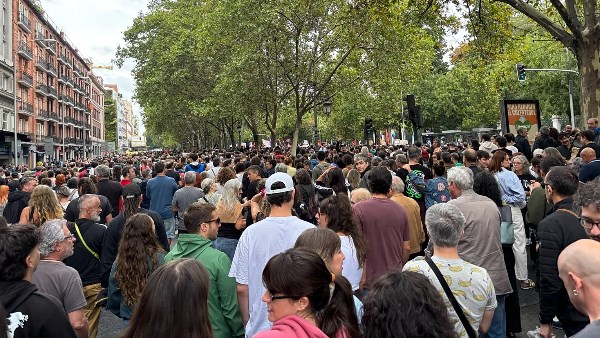
In Spain, housing has evolved into one of the country's most acute socioeconomic issues. Massive nationwide protests—led by tenants' unions (Sindicatos de Inquilinas) and civil rights groups—have drawn hundreds of thousands of people into the streets of major cities like Madrid, Barcelona, Valencia, and Málaga.
The crisis stems from structural housing shortages, runaway market speculation, and a recent high-profile political battle.
Over the last decade, average rental prices in Spain have nearly doubled.
Over 25% of Spanish renters now allocate more than 40% of their net income toward rent and utilities (far exceeding the EU average of 18%).
Low wages, high inflation, and precarious contract work make independent living nearly impossible for young people, forcing many to share cramped apartments well into their 30s.
The rapid expansion of tourist platforms (like Airbnb) and corporate holiday rentals has removed tens of thousands of residential properties from long-term housing markets, particularly in central urban areas and coastal regions (e.g., Barcelona, Madrid, Málaga, the Balearic and Canary Islands). Landlords often choose short-term tourist lets because they are significantly more lucrative.
Large corporate investment firms and foreign "vulture funds" (fondos buitre) have acquired large blocks of residential buildings. Protesters argue that these entities drive out long-term local residents by hiking rents sharply or converting entire buildings into high-end luxury rentals.
Public and affordable housing accounts for less than 2% of Spain's total housing stock, compared to an EU average of 8% (and over 20% in countries like France or the Netherlands). Because the state has historically relied on the private market rather than building public housing, tenants have little protection against market fluctuations.
The recent wave of unrest was catalyzed by the high-profile eviction of an 87-year-old woman, Maricarmen Abascal, from her home of 70 years in Madrid after an investment fund purchased her building and drastically raised the rent. She became an immediate symbol of landlord abuse, prompting widespread encampments in plazas like Madrid's Puerta del Sol.
Anger reached a boiling point after the Spanish Parliament struck down emergency government decree-laws aimed at extending tenant protections, banning vulture funds from buying residential properties, capping rent increases, and extending eviction bans. Opposition votes against the relief measures triggered calls for general strikes and led to major street clashes in October 2026.
Primary demands of protesters include strict price caps on residential rent relative to local average wages.
Protestors also demand bans on institutional investment funds buying up residential housing stock.
They seek to impose severe restrictions on short-term vacation rentals to return apartments to the long-term residential market.
They call for extending mandatory contract durations, banning no-fault evictions of vulnerable citizens, and expanding the public social housing supply.
-920252122624392.jpg "TOREC")