




The company currently bypasses the chokepoint using longer routes
China’s shipping firms brace for a new ‘era of chaos’ as Iran war drags on



-9202620935848.jpg)
-9202620935849.jpg)

China’s shipping giants are bracing for a harsh new reality of persistent global volatility, as the closure of the Strait of Hormuz shifts from being a problem of transit delays to a hard volume shock.
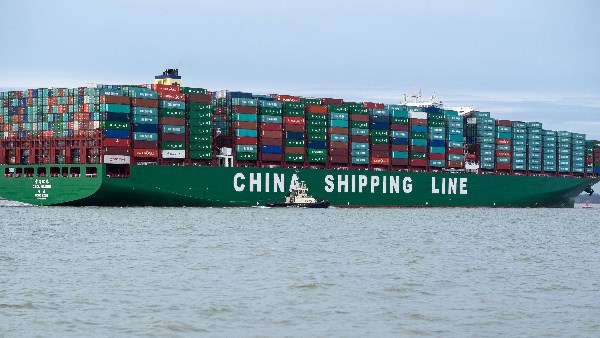
With the crucial energy corridor still paralysed as the US-Israel war on Iran drags on with no clear end in sight, China’s state-backed shipping majors are doubling down on long-term contracts and creating new multimodal routes in an attempt to hedge against future shocks.
Cosco Shipping Holdings, the Shanghai and Hong Kong-listed container giant, noted in its first-quarter earnings report that it was optimising global networks and accelerating digital integration to maintain service stability amid the ongoing crisis.
The company currently bypasses the chokepoint using longer routes that require the use of several vessels or multiple modes of transport.
In a briefing with investors early last month, the firm’s general manager, Tao Weidong, played down the financial blow dealt by the war, noting that Middle East routes account for a relatively small portion of Cosco Shipping Holdings’ total revenue.
“The company is not currently considering resuming passage through the Strait of Hormuz,” Tao said, adding they remained on high alert.
Despite these tactics, the company’s first-quarter net profit dropped nearly 50 per cent year on year, primarily due to a broader cooling of global container freight rates.
By contrast, energy-focused carriers Cosco Shipping Energy Transportation (CSET) and China Merchants Energy Shipping (CMES) have seen their earnings surge amid the crisis.
The spot rate for very large crude carriers, which can carry up to 2 million barrels, at one point surged to as high as US$400,000 per day in February – multiple times above normal levels – though CSET clarified that few clients actually paid those extreme prices.
CSET recorded a net profit surge of more than 200 per cent in the first quarter, with the company securing long-term liquefied natural gas charters and implementing flexible fleet redeployment to mitigate risks.
Similarly, CMES reported a more than fourfold profit jump in its tanker segment, having already locked in nearly half of its second-quarter operating days at rates significantly higher than the first-quarter levels.
Looking ahead, a note from Changjiang Securities said that oil shipping had entered an “era of chaos” where certainty now trumped efficiency. Analysts expect shipping firms to benefit from a massive rebound once the strait reopens, driven by global inventory restocking.
-920252122624392.jpg "TOREC")