




Before the war, the UAE was producing just over 3 million barrels a day
UAE says its decision to leave OPEC was a strategic economic move, not a political one



-9202620935848.jpg)
-9202620935849.jpg)

The United Arab Emirates’ decision to leave OPEC and OPEC+ was based on the country’s economic vision and not on politics, the country’s energy minister said on Saturday.
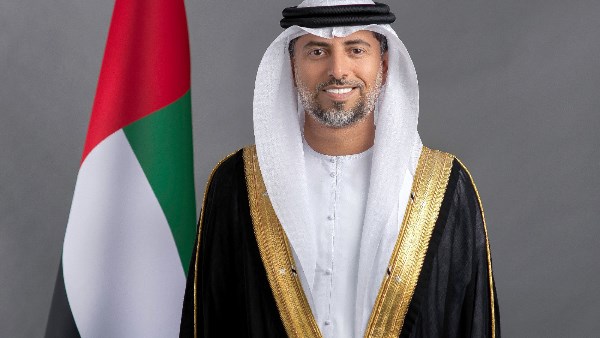
“This decision came following a comprehensive assessment of the national production policy and its future capabilities, and it is based solely on the national interest of the United Arab Emirates, its responsibility as a reliable energy supplier, and its unwavering commitment to maintaining market stability,” Suhail Mohamed Al Mazrouei said in a post on X.
The Emirates announced earlier this month it would depart the producer group OPEC, of which it was a member since 1967, before the UAE was even founded.
“This decision is not based on any political considerations, nor does it reflect the existence of any divisions between the United Arab Emirates and its partners,” Mazrouei said.
The exit “represents a sovereign and strategic choice stemming from its long-term economic vision, the evolution of its capabilities in the energy sector, and its steadfast commitment to global energy security,” the oil minister said.
Before the war, the UAE was producing just over 3 million barrels a day — broadly in line with OPEC+ targets. Abu Dhabi has targeted a capacity to produce 4.9 million BPD. Now, due to the war, the UAE is producing between 1.8 and 2.1 million barrels per day.
The UAE was the most influential member of OPEC behind Saudi Arabia. It was one of the few members, along with Saudi Arabia, that had meaningful spare production capacity to influence prices and respond to supply shocks, Jorge León, head of geopolitical analysis at Rystad Energy, told CNBC after the UAE announced its decision.
Spare capacity is the idle production that can be brought online quickly to address major crises. Saudi Arabia and the UAE together control a majority of the world’s total spare capacity of more than 4 million barrels per day, making them particularly influential during periods of distress.
-920252122624392.jpg "TOREC")