




The S&P 500 was headed for its third straight weekly advance
S&P 500 edges lower, but index heads for third straight winning week



-9202620935848.jpg)
-9202620935849.jpg)

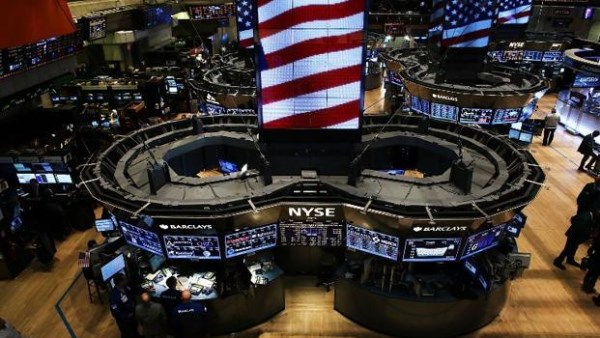
The S&P 500 slid on Friday after a record-setting session, though the benchmark is still on pace for its third consecutive weekly advance.
The broad market index traded down 0.3%, while the Nasdaq Composite shed 0.4%. The Dow Jones Industrial Average shed 129 points, or 0.2%.
Applied Materials was a sore spot, as shares dropped 5% in the session.
The S&P 500 was headed for its third straight weekly advance, gaining 0.3% in the period. The Nasdaq, however, is on pace for a 0.1% decline, while the Dow is down 0.6% week to date.
The week has been a record-setting one for the S&P 500, with the index on Thursday crossing 7,800 for the first time after hitting an intraday all-time high of 7,816.70. The benchmark also closed at a record in the prior trading day.
Given the back-to-back gains on the S&P 500 following subdued inflation readings on Wednesday and Thursday, Jay Hatfield of Infrastructure Capital Advisors said Friday’s digestion is a sign of what’s to come for the rest of August and September.
“Today is like the start of that post-earnings flattening out trade,” the CEO said to CNBC.
More than 90% of S&P 500 companies have posted second-quarter results, and earnings growth from the year-earlier period is tracking around 50%, according to FactSet.
Because the bulk of earnings season is over, with few key reports remaining such as Nvidia and Marvell Technology, he noted there’s no longer a major catalyst, except for those quarterly results and if the Strait of Hormuz were to reopen.
Assuming that earnings growth finishes the season at current levels, oil prices continue to trade above $80 as Hormuz stays closed and the Federal Reserve keeps interest rates steady, Hatfield anticipates the S&P 500 reaching 8,100 by year-end.
Investors also examined a weak consumer picture, with retail sales numbers for July showing an unexpected decline on the month. On top of that, consumer confidence in the economy fell in August, reversing course from the improvements seen in June and July.
-920252122624392.jpg "TOREC")