




The pan-European STOXX 600 index rose 0.4%
European stocks rise, but French fiscal turmoil keeps investors on edge



-9202620935848.jpg)
-9202620935849.jpg)

European equity bourses diverged on Monday, as a deepening fiscal crisis in Paris dragged French stocks to six-month lows while resilient regional business activity and relief over a cooling U.S. labor market provided a fragile floor for broader bourses.
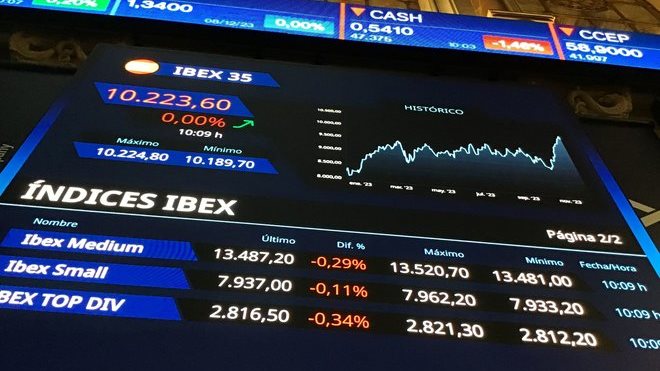
The pan-European STOXX 600 index rose 0.4%, attempting to snap a brutal selling streak that had driven regional valuations to over three-month lows. Across major hubs, London’s FTSE 100 closed 0.4% up, while Germany’s DAX and Italy’s FTSE MIB both ended the session in green.
Among individual stocks, Schneider Electric slumped 9.1% following a $22.6 billion all-cash offer for PTC.
European engineering software stocks rose with Dassault Systèmes up 2.3%, Nemetschek and TeamViewer gaining 3.2%
Underperforming its continental peers, France’s CAC 40 fell as much as 1.2% to touch a six-month low before closing 0.8% down, as foreign exchange and fixed-income desks continued to digest an escalating sell-off in French government debt following the unveiling of Paris’s 2027 draft budget.
"For the time being it looks like investors will steer clear of French debt," said ING’s Chris Turner.
Eurozone PMIs hit 3.5-year highs amid resurgent inflation
Further underpinning continental equity sentiment, private survey data showed Eurozone business activity expanded at its fastest pace in nearly three-and-a-half years in September, proving surprisingly resilient against elevated fuel costs.
The S&P Global Eurozone Services PMI rose to a 10-month high of 53.0 in September, matching preliminary forecasts. The composite index - combining manufacturing and services - increased to 53.1 from 52.0 in August, marking its highest reading since April 2023 and capping the bloc’s strongest quarterly performance since Q2 2022.
However, resurgent energy costs pushed Eurozone inflation to a higher-than-expected 3.8% last month from 3.2% in August, far above the European Central Bank’s 2% target and stoking debate over whether further monetary tightening will be required.
Addressing the inflation spike on Monday, ECB Chief Economist Philip Lane noted that while recent energy price increases create upside risks to consumer prices, elevated yields and shrinking budget support will act as drags on broader activity.
Lane emphasized that a "measured" policy response remains appropriate, offering reassurance to equity desks that the ECB may refrain from overly aggressive policy tightening.
-920252122624392.jpg "TOREC")