





China remains the world’s largest hub for manufacturing and trade of electric cars
Chinese EVs may hit U.S. within a few years, one way or another



-9202620935848.jpg)
-9202620935849.jpg)

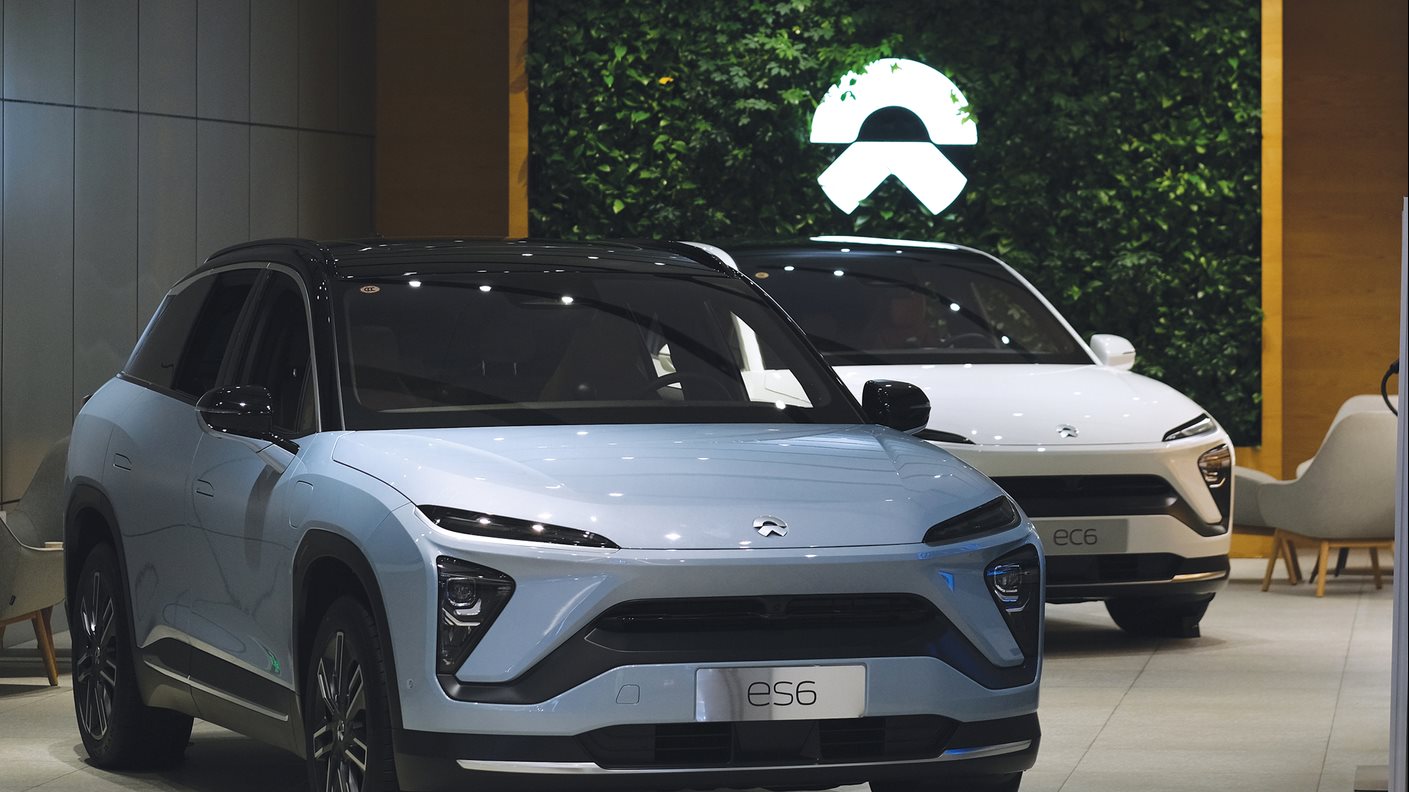
Chinese electric vehicles face crippling tariffs, stringent regulations and fierce opposition from lawmakers and the American auto industry, but there’s a growing possibility that Chinese EVs will be sold in the U.S. within the next few years.
China has deliberately and aggressively expanded its EV footprint throughout Europe, the U.K., Asia and Australia, exporting millions of well designed, high-tech, and competitively priced vehicles, building factories and widening supply chains. Now, it’s set its sights on Western nations, especially the U.S. — the world’s second-largest automotive market after its own — which has significantly retreated from its own EV ambitions.
Therein lies an existential conundrum facing the Big Three — General Motors, Ford and Stellantis. While they continue to offer a limited number of EVs, they’re primarily focused on producing and selling internal combustion engine vehicles, while many auto experts concur that EVs are the future of the global auto industry and that China is poised to control the market.
“U.S. companies have stepped back from a lot of their electric vehicle campaigns, because they haven’t been able to develop, in an inexpensive way, a compelling value proposition for U.S. consumers,” said Stephen Dyer, a managing director in the automotive and industrial practice at AlixPartners. But if EVs are the future, he said, “You can’t be competitive if you’re not in the game.”
Nor can the Big Three rest on their laurels. “Detroit automakers perfected the business of manufacturing traditional vehicles powered by gasoline engines,” said Michael Dunne, CEO of Dunne Insights, a consultancy that focuses on EVs and autonomous vehicles. But when they were confronted with the dramatic shift to electrification and autonomy, “they’ve struggled to make the transition.”
In the meantime, Dunne said, “China has a master plan to dominate the global EV market, including cars, trucks and the batteries that power them.” At the turn of the century, China produced fewer than a million cars a year, he said, but by 2010 had surpassed the U.S. in terms of market size and production.
While the opportunity to beat the Chinese juggernaut may be slipping away, in the long run the most viable way to remain relevant and competitive may be to join them.
Because direct imports of Chinese-made EVs into the U.S. seems highly unlikely, allowing them to be manufactured here is becoming a realistic option. In January, President Donald Trump expressed support for letting China set up shop in the U.S. as long as they employed American workers. The remark led to wide speculation that the issue would be raised at the recent Beijing summit with Xi Jinping, yet there are no reports that it came up. Among the entourage of CEOs that accompanied Trump, the only auto executive was Tesla
’s Elon Musk, whose company has a presence in China, though it is far behind domestic leader BYD.
China remains the world’s largest hub for manufacturing and trade of electric cars, capturing nearly 75% and 40% of the respective global totals. Primarily led by domestic carmakers, China’s 2025 production of 16 million electric cars outstripped domestic demand by 20%, according to the International Energy Agency, pushing Chinese electric car exports to double to a record high of more than 2.5 million – the primary driver of its growth in car exports. In 2025, electric models represented more than 35% of all Chinese car exports, up from about 20% the year before.
“The only market in the world they have not yet penetrated is the United States,” Dunne said.
-920252122624392.jpg "TOREC")