




Malaysia, Taiwan, Indonesia and India, meanwhile, continue to face 10% additional tariffs
Trump’s new global tariff draws rebukes from trade partners over forced labor justification
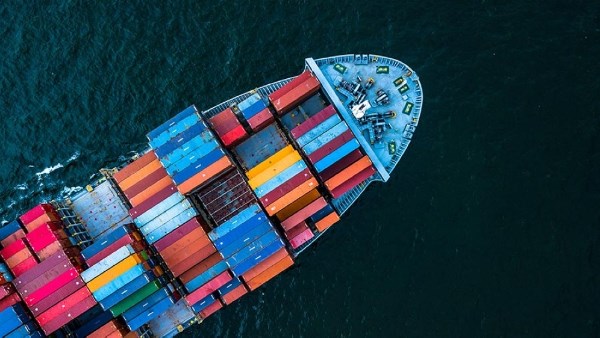




U.S. trading partners from Canberra to Brasília have rejected the forced labor rationale behind President Donald Trump’s new global tariffs, while most signaled they would keep negotiating rather than retaliate.
The Office of the U.S. Trade Representative on Thursday took action under Section 301 of the Trade Act of 1974, imposing tariffs on 60 economies for what Washington called their failure to impose and enforce bans on goods made with forced labor.
The duties — 10% for partners that have adopted or committed to import prohibitions, 12.5% for those that haven’t — cover the top 60 US trade partners and 99.4% of American imports.
The measure replaces a temporary 10% global tariff imposed under Section 122 of the trade act, which expires July 24, a stopgap put in place after the Supreme Court ruled Trump’s emergency-powers tariffs unlawful in February. The forced labor probes give the administration a more durable legal foundation for a baseline tariff that the courts had challenged.
“These tariffs are unjustified, inconsistent with our free trade agreement, and should be removed,” Australian Trade Minister Don Farrell said in a statement. “Australia’s measures to combat forced labor and modern slavery are among the strongest in the world, and we are recognized globally, including in the U.S., for our leadership.”
The U.S. imposed a 12.5% tariff on imports from Australia, China (including Hong Kong), Singapore and South Korea, alleging the countries failed to prevent goods made with forced labor from entering the American market.
Malaysia, Taiwan, Indonesia and India, meanwhile, continue to face 10% additional tariffs.
The impact on major Asian economies is likely to be limited, Tianchen Xu, senior economist at the Economist Intelligence Unit, told CNBC on Friday.
“Asia will continue to benefit from tariff carve-outs, which include most types of electronics from consumer devices to chips,” said Xu, adding that “these goods have consistently been exempt under U.S. tariffs under the second Trump administration.”
-920252122624392.jpg "TOREC")