




Trump appears to see Section 301 as a key pathway for more tariffs
Trump sued hours after new tariffs take effect, as experts say they may not hold up
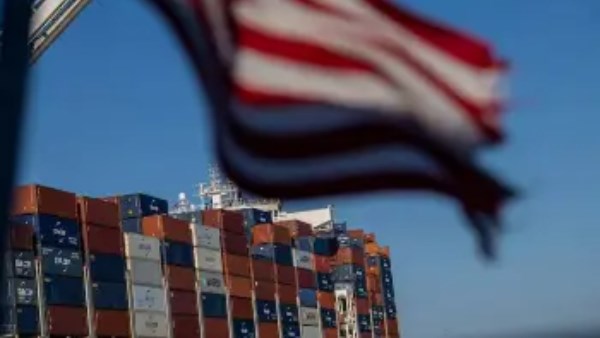




President Donald Trump’s global “liberation day” tariffs were struck down in the courts, shattering the cornerstone of his trade agenda. Some trade experts say his newest duties could meet the same fate — and they’ve already caught their first legal challenge.
The Trump administration on Friday imposed broad tariffs on goods from more than 80 countries, alleging they have failed to effectively prohibit the use of forced labor practices.
The latest tariffs — applying to trade partners that cover 99.4% of U.S. trade — were brought under Section 301 of the Trade Act of 1974, which enables the government to impose import levies in response to unfair trade practices.
Section 301 has been used many times across presidential administrations to threaten or impose tariffs — including against China during Trump’s first administration. But Trump is “using the statute in a fundamentally different way,” Peter Harrell, visiting scholar at Georgetown University Law Center’s Institute of International Economic Law, told CNBC.
Section 301 was “never intended for the president to just wholesale rewrite the tariff schedule” and impose “permanent” duties, Harrell said, adding that Trump’s latest use of it could “for sure” be struck down in court.
Trump appears to see Section 301 as a key pathway for more tariffs. On Friday, he declared that the U.S. will “immediately” start a 301 investigation into the EU in retaliation for the hefty fines it has imposed on U.S. tech giants. It was the latest in a flurry of tariff actions Trump has taken in recent days, including slapping 25% duties on Brazilian imports — also via Section 301 — and vowing 50% tariffs on some goods from Canada.
The legal battle over the newest tariffs has already begun. Just hours after they took effect, two small businesses sued, arguing that the government is using Section 301 as a pretext to re-create the same global tariff regime that the Supreme Court torpedoed five months earlier.
-920252122624392.jpg "TOREC")