



Notably, no respondent identified tourism demand visibility as the sector's primary constraint
HVS Middle East & Africa Survey Reveals Strong Investor Confidence in Egypt's Hospitality Sector




Focus Shifts from Demand to Delivery
97% of industry participants positive on Egypt's hospitality investment outlook, with connectivity,
capital access and execution emerging as key priorities
HVS Middle East & Africa has released the
findings of its Egypt Hospitality Investment & Market Sentiment Survey 2026, revealing
exceptionaly strong confidence in the country's hospitality sector and highlighting a significant
shift in investor priorities.
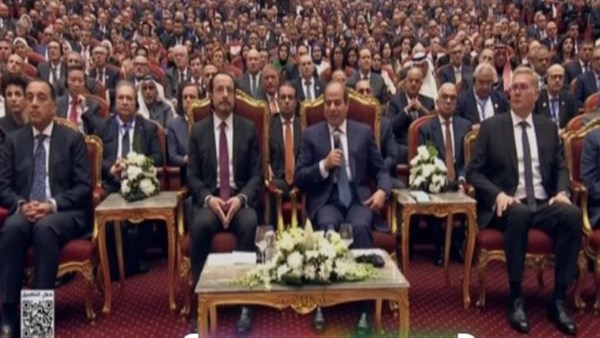
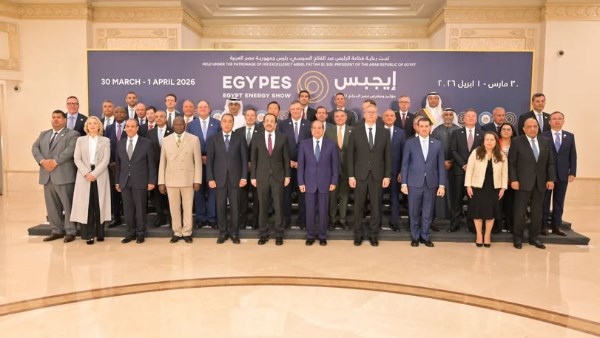
The findings were launched at the Future Hospitality Summit (FHS) Egypt in Cairo.
The survey, conducted among hospitality investors, developers, owners, lenders and industry
stakeholders active in the Egyptian market, found that 97% of respondents hold a positive
outlook for hospitality investment in Egypt over the next three to five years.
Notably, no respondent identified tourism demand visibility as the sector's primary constraint,
signaling a broad consensus that Egypt's tourism fundamentals are wel established and that
future growth wil depend increasingly on the industry's ability to convert confidence into
investment and project delivery.
Among the survey's key findings:
* Four out of five respondents believe the country's hotel development pipeline can be
absorbed without material oversupply concerns.
* Gulf investors are expected to lead: 45% see GCC investors as the primary source of
capital over the next five years, more than twice the share citing Egyptian private
investors (19%).
* Foreign exchange exposure and access to capital emerged as the leading investment
chalenges: foreign exchange risk is the top constraint (32%), and capital-related
constraints account for 55% of responses.
* The North Coast (39%) narrowly emerged as the most attractive investment destination,
ahead of Greater Cairo and Giza (35%) and the Red Sea mainland (16%).
* Red Sea and coastal leisure is expected to lead demand growth (75%), folowed by
cultural and heritage tourism (64%), yet only 3% of respondents chose Luxor, Aswan and
the Nile corridor as the most compeling place to invest.
* 82% say recent large-scale commitments have strengthened their confidence in the
North Coast, although seasonality remains the main hurdle to year-round demand (75%).
* Air connectivity and airport infrastructure were repeatedly identified as critical enablers of
future tourism growth: 54% consider current aviation capacity and international
connectivity inadequate, even though 79% believe Egypt is likely to reach around 30
milion international visitors by 2030.
* Investors favour a coordinated policy package, led by tax and investment incentives
(43%), airport and transport infrastructure (39%) and faster licensing and approvals
(36%).
Hala Matar Choufany, President of HVS Middle East & Africa, commented:
"Egypt's hospitality sector has reached an important inflection point. What stands out from the
survey is that investors are no longer questioning demand fundamentals. The conversation has
shifted to capital deployment, air connectivity, workforce development and execution. Egypt's
tourism story is increasingly understood and accepted. The next phase wil be determined by how
effectively confidence is converted into investment."
The findings suggest that while investor confidence remains high, stakeholders increasingly view
connectivity, infrastructure enhancement, financing accessibility and efficient execution as the
factors that wil shape the sector's next chapter of growth.
The survey also highlights the growing strategic importance of Egypt's North Coast, which
continues to attract increasing investor interest alongside established gateway markets such as
Cairo and Giza. At the same time, respondents identified opportunities for further growth across
the country's diverse tourism offerings, including cultural and heritage destinations, where
demand expectations are high but investor focus has yet to folow.
As Egypt advances towards its long-term tourism ambitions, the survey findings indicate broad
industry confidence in the country's ability to sustain growth, attract investment and further
strengthen its position as one of the region's leading hospitality markets.
-920252122624392.jpg "TOREC")